


When Everyday Systems Fail, Will Your Family Have a Plan?
Build practical skills, strengthen your household, and take the next step toward greater self-reliance.
Most households depend on a steady flow of electricity, clean water, food deliveries, fuel, and essential services. When those systems are disrupted, even ordinary needs can become difficult to meet.
You may not be able to predict the next crisis. But you can begin preparing for the challenges it could bring.
Join Mike Adams for The Health Ranger's Guide to Surviving Global War, Famine and the Next Engineered Plandemic, a free streaming course on BrightU exploring potential disruptions and practical ways to build household resilience.
From emergency food and water reserves to backup power, growing food, preserving knowledge, and strengthening community connections, this course helps you think through what your household needs—and where to begin.
Free streaming begins November 14, 2026. New episodes and the closing session premiere daily through December 2, followed by replays through December 14.
Turn Uncertainty Into a Preparedness Plan
Where would you get drinking water if the tap stopped running? How would you prepare meals during an extended power outage? What would your family do if grocery deliveries slowed or essential services became unavailable?
Preparedness begins with working through these questions while you have time to make decisions.
This course brings together the major areas of household readiness in a staged approach: the first week, the first month, and the first year. You'll explore immediate priorities, longer-term capabilities, and ways to identify gaps in your current preparations.
Whether you're beginning with a small emergency kit or expanding an established preparedness plan, the course offers topics to help you choose your next steps.
Here's What You'll Explore
- How disruptions connect. Examine how energy shortages, transportation problems, food production challenges, financial instability, and public health emergencies can affect household needs.
- Food and water preparedness. Explore emergency reserves, water storage and treatment, home food production, and food preservation.
- Backup power and essential services. Learn about planning for critical electricity needs, emergency lighting, communications, heating, and interruptions to utilities.
- Household health and safety planning. Consider essential supplies, sanitation, emergency planning, and the needs of family members who require additional support.
- Financial preparedness. Explore access to essential resources during financial disruptions, along with the role of practical skills, trade goods, and local relationships.
- Long-term self-reliance. Examine gardening, soil building, repair skills, offline reference materials, and community cooperation.
- A way to assess your progress. Use the Ninety-Day Readiness Audit framework to review your preparations, identify gaps, and set priorities.
Explore the Episodes
Follow the course from understanding potential threats to building a practical household plan. A new episode or closing session premieres each day from November 14 through December 2, 2026.
Disclaimer: All dates and times are subject to change. Please check this page regularly for the most up-to-date streaming schedule.
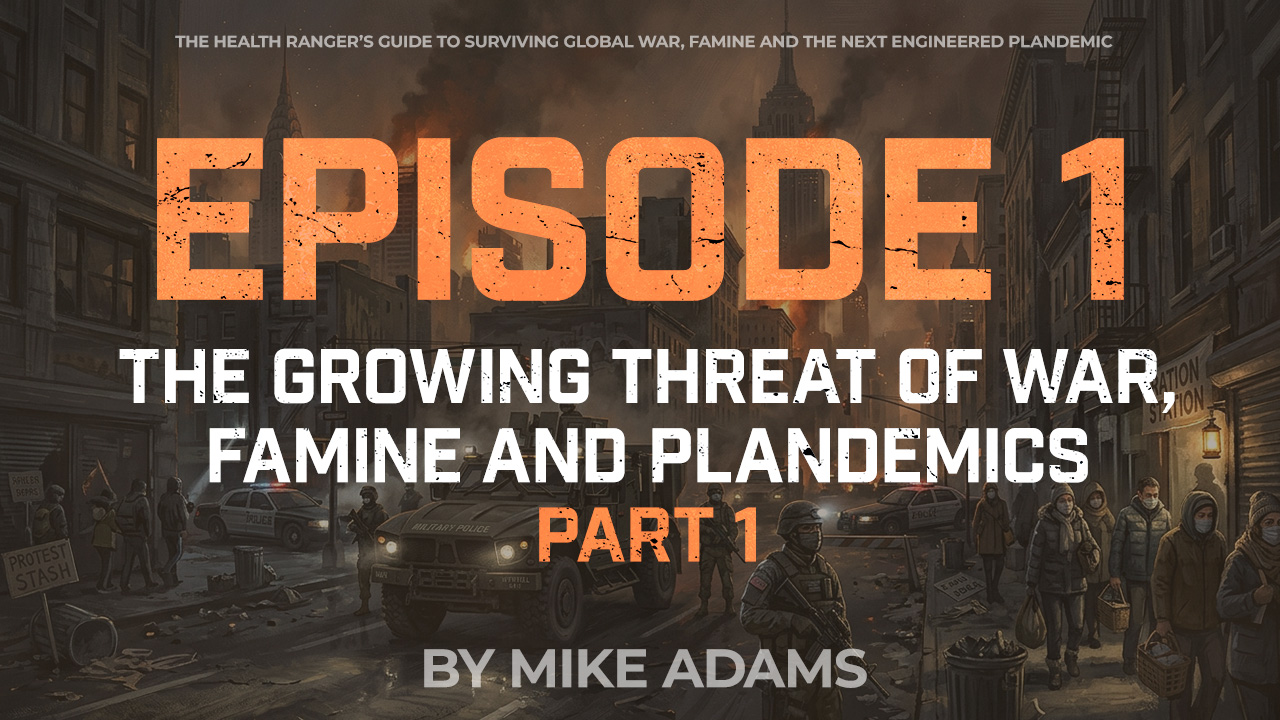
November 14 - Episode 1: The Growing Threat of War, Famine and Plandemics — Part 1
Understand how a disruption in one essential system can create problems across many others. This opening episode explores power outages, supply-chain interruptions, fuel shortages, and financial instability, with a closer look at refineries and critical shipping routes. The focus is on recognizing vulnerabilities, understanding how disruptions can spread, and connecting those risks to your household's preparedness priorities.
- Identify different types of disruption. Recognize how power failures, food shortages, and financial instability create different household needs and preparation timelines.
- Understand how failures can cascade. Explore how interrupted electricity can affect water pumping, sanitation, refrigeration, and food availability.
- Connect energy supplies to everyday essentials. Examine the role of diesel and other energy inputs in farming, fertilizer production, transportation, and food prices.
- Recognize fuel supply bottlenecks. Understand why refineries, shipping routes such as the Strait of Hormuz, and transportation insurance matter to fuel availability.
- Monitor practical warning indicators. Consider fuel prices, delivery activity, food costs, and local water conditions as inputs to a more informed household preparedness plan.
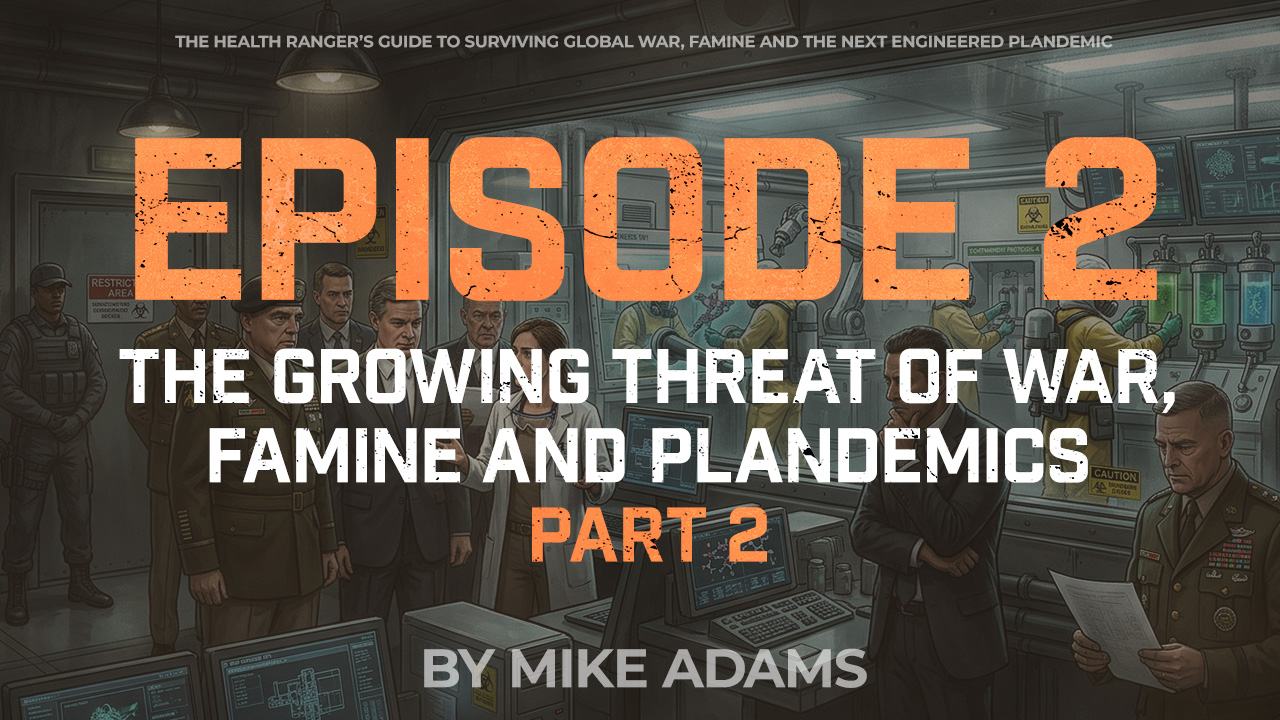
November 15 - Episode 2: The Growing Threat of War, Famine and Plandemics — Part 2
Explore how energy constraints, expanding conflicts, and public health emergencies can disrupt food supplies and everyday life. This episode examines the connections between fertilizer, fuel, farming, and transportation, alongside the household implications of interrupted trade, workforce shortages, and movement restrictions. The focus is on understanding potential consequences, distinguishing documented developments from speculation, and identifying decisions your family can make in advance.
- Understand the energy–food connection. Explore how natural gas, fertilizer production, diesel, and transportation costs influence food production and availability.
- Recognize pressures on food supplies. Examine how reduced planting, manufacturing bottlenecks, export restrictions, and panic buying can contribute to shortages.
- Consider the wider effects of conflict. Explore how disrupted shipping, border restrictions, and military mobilization discussions can affect household planning.
- Prepare for public health disruptions. Consider how household isolation, school closures, workforce interruptions, and lost income could affect your family's essential needs.
- Turn uncertainty into practical decisions. Distinguish confirmed events from projections, organize important documents, and discuss household plans before circumstances become urgent.
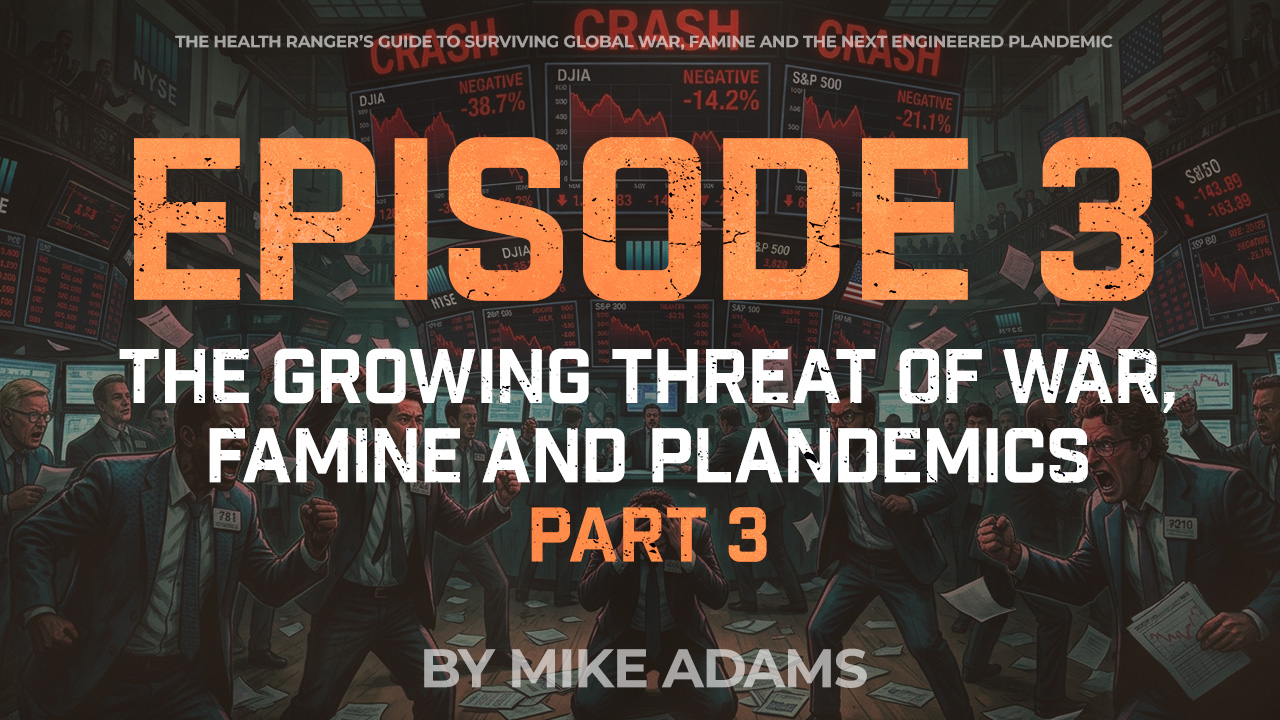
November 16 - Episode 3: The Growing Threat of War, Famine and Plandemics — Part 3
Examine how financial instability, centralized food production, and power-grid vulnerabilities can affect household resilience. This episode explores the course's perspectives on debt, inflation, and financial privacy, alongside historical examples of interconnected crises and the potential consequences of extended electricity disruptions. The focus is on recognizing dependencies and identifying backup resources that can help your household prepare.
- Explore financial vulnerabilities. Consider how inflation, banking disruptions, and changes in payment systems could affect purchasing power, access to money, and financial privacy.
- Understand food-system dependencies. Examine how concentrated manufacturing, fuel requirements, refrigeration, and limited retail inventories can leave food supplies vulnerable to disruption.
- Learn from historical crises. Explore how war, famine, and disease have compounded one another, and why preparedness should account for prolonged recovery.
- Recognize power-grid risks. Consider the household implications of blackouts, voltage fluctuations, solar storms, and electromagnetic pulse scenarios.
- Identify where you need backups. Review your reliance on electricity, grocery deliveries, financial services, and other essential systems to guide your next preparedness steps.
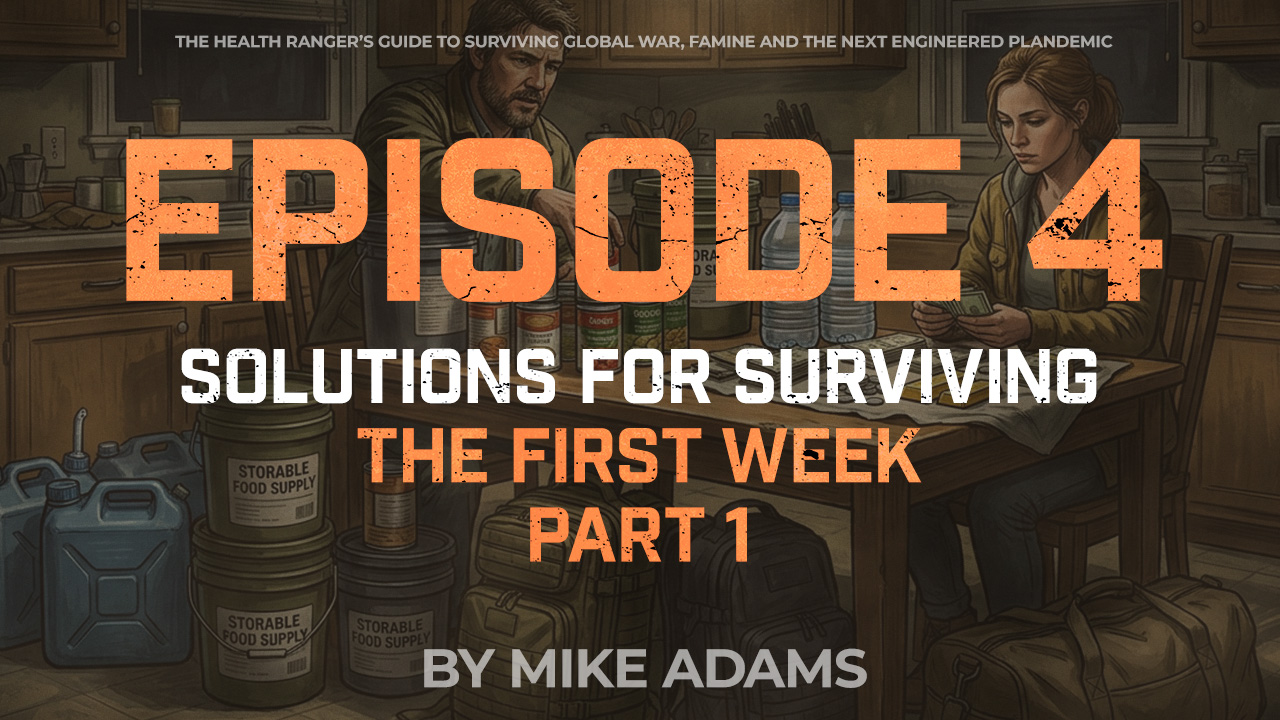
November 17 - Episode 4: Solutions for Surviving — The First Week — Part 1
Build a practical foundation for emergency preparedness by focusing on three immediate priorities: food, water, and access to essential financial and medical resources. This episode explores how to assess your pantry, plan a two-week food and water reserve, prepare for temporary banking disruptions, and organize first-aid supplies and prescription needs. The emphasis is on manageable steps you can take with limited space and a realistic budget.
- Build a two-week food and water reserve. Assess your household's needs and choose shelf-stable foods your family will actually eat.
- Plan for safe water access. Consider storage space, suitable containers, rotation, and water treatment options as part of your emergency preparations.
- Prepare for temporary banking disruptions. Explore the role of cash on hand, a written household payment plan, and the differences between holding assets directly and relying on a third party.
- Organize essential medical supplies. Review first-aid materials, storage requirements, and prescription continuity with attention to individual health needs.
- Prepare steadily and within your budget. Inventory what you already own, prioritize gaps, and familiarize yourself with supplies and reliable reference materials before an emergency.
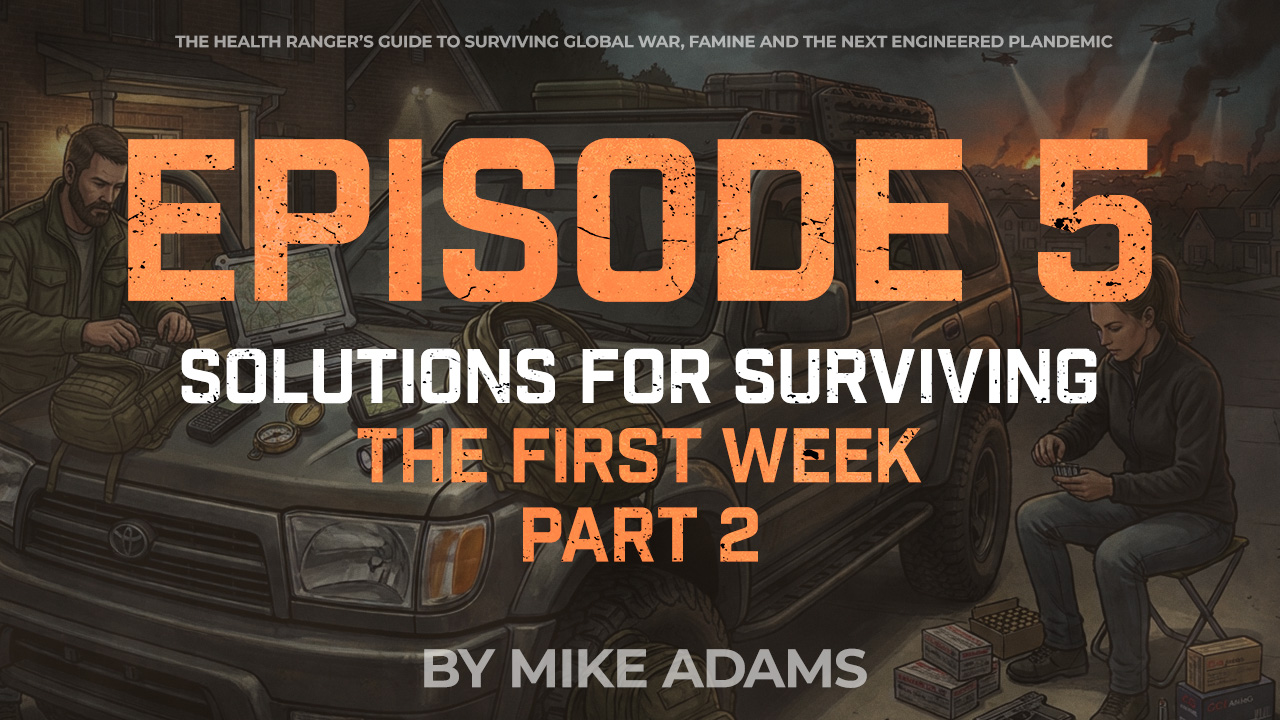
November 18 - Episode 5: Solutions for Surviving — The First Week — Part 2
Prepare your household to stay safer, stay connected, and make informed decisions during a disruption. This episode explores practical home security, backup communications, and the choice between sheltering in place and relocating. From assessing everyday vulnerabilities to establishing family check-in procedures and identifying evacuation routes, the focus is on making a clear plan before circumstances become urgent.
- Assess your everyday safety risks. Review your regular routes, household routines, and potential vulnerabilities before deciding which security measures you need.
- Strengthen your home and family safety plan. Evaluate locks, lighting, and visibility, and establish a written household plan with an agreed meeting point.
- Build backup communication options. Explore satellite messaging, satellite phones, and radios, along with ways to keep essential devices charged during an outage.
- Establish a family check-in procedure. Choose out-of-region contacts, keep a printed contact list, and agree on who will communicate, when, and how.
- Plan when to stay and when to leave. Assess your location's risks, define conditions that would prompt relocation, and identify a destination and alternate routes suited to your household.
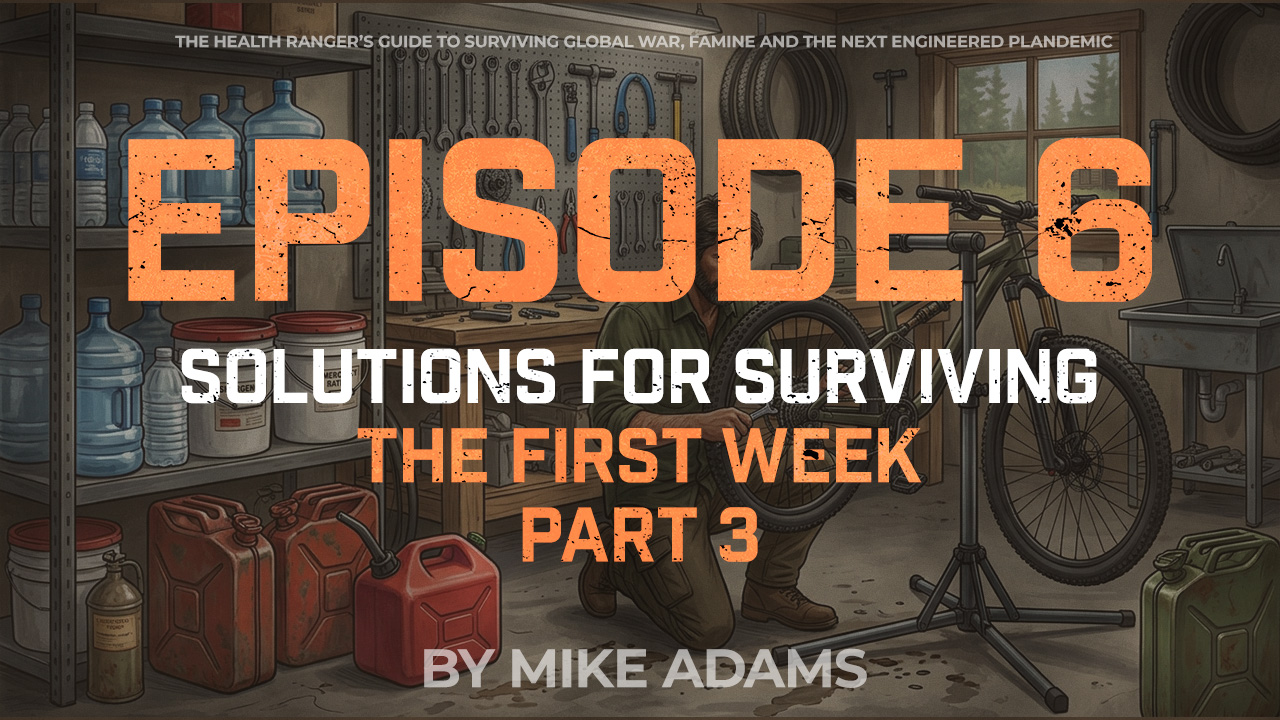
November 19 - Episode 6: Solutions for Surviving — The First Week — Part 3
Strengthen your first-week preparedness plan with practical considerations for backup power, water, fuel, and nutrition. This episode explores how to keep essential devices running, plan for interruptions to your water supply, manage fuel needs, and build nutritional variety into your emergency food reserves. The focus is on identifying everyday essentials and creating backup options that fit your household.
- Plan backup power around essential needs. Assess the power requirements of medical devices, communication equipment, and lighting, then explore solar and battery options suited to those priorities.
- Build a layered water plan. Review storage needs, understand the roles and limitations of filtration and disinfection, and identify potential local water sources.
- Prepare for fuel interruptions. Consider safe storage, rotation, and the fuel requirements of vehicles, generators, and essential equipment.
- Reduce dependence on fuel-powered equipment. Explore manual tools, bicycles, and locally generated electricity as additional options for household tasks and transportation.
- Include nutrition in your emergency food planning. Review the variety of foods in your reserves, account for individual dietary needs, and explore fresh-food options such as sprouts and microgreens.
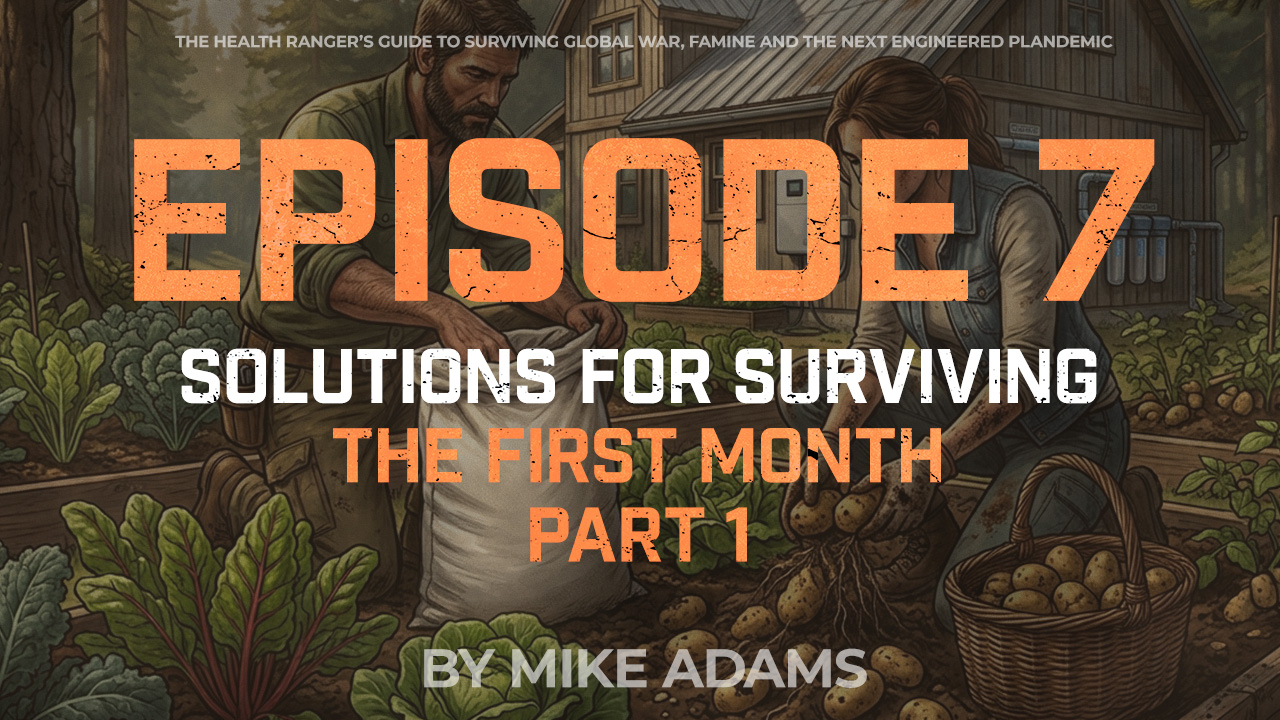
November 20 - Episode 7: Solutions for Surviving — The First Month — Part 1
Begin expanding your short-term food reserves into a longer-term preparedness plan through home gardening, food preservation, and responsible foraging. This episode explores how to grow food in the space you have, manage a dependable pantry, and develop the skills needed to identify local wild foods. The focus is on starting small, building experience, and combining stored supplies with additional food sources over time.
- Start growing where you are. Assess sunlight, water access, and soil conditions, and explore container gardening when space is limited.
- Grow for both calories and nutrition. Consider a mix of staple crops and nutrient-rich vegetables while learning about composting, seed selection, and seed saving.
- Explore food preservation methods. Learn about drying, cool storage, fermentation, curing, smoking, and canning, with attention to the safety requirements of each method.
- Build a pantry you actively use. Label and rotate supplies, manage storage conditions, and protect food from moisture and pests.
- Develop foraging skills with expert guidance. Learn a small number of local edible species, recognize poisonous look-alikes, and understand seasonal availability before relying on wild foods.
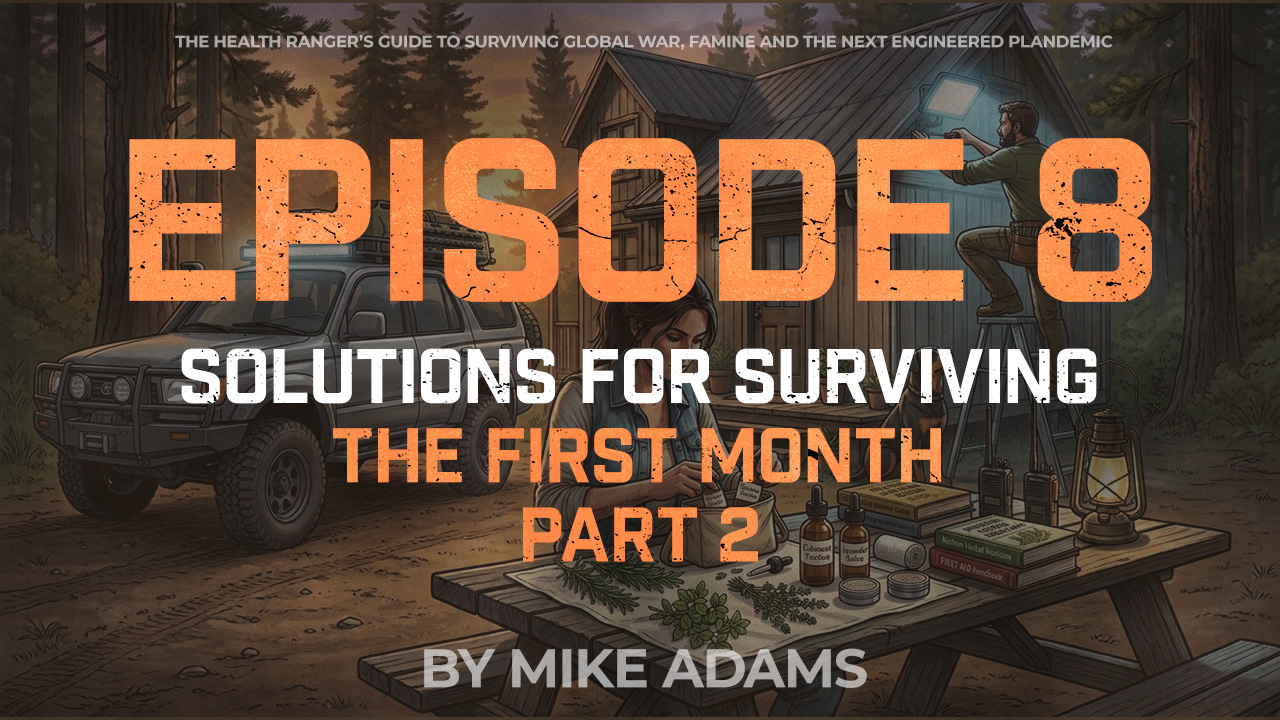
November 21 - Episode 8: Solutions for Surviving — The First Month — Part 2
Expand your first-month preparedness plan by exploring financial resilience, herbal preparation, and household safety skills. This episode examines alternative forms of exchange, the basics of growing and preparing herbs, and the value of regular training and neighborhood cooperation. The focus is on developing knowledge, practical skills, and trusted relationships that support your household during extended disruptions.
- Explore different forms of exchange. Examine the roles and limitations of precious metals, self-custody cryptocurrency, and barter during disruptions to normal financial services.
- Plan for secure storage and discreet trading. Consider how to safeguard physical assets, protect access to digital holdings, and establish trusted barter relationships.
- Learn the foundations of herbal preparation. Explore herb gardening, plant identification, drying, storage, and preparation methods such as infusions and tinctures.
- Recognize the limits of home remedies. Understand why accurate identification, dosage awareness, and reliable references matter when working with herbs.
- Build safety through practice and cooperation. Develop a written household safety plan, establish regular training, and coordinate neighborhood communication and mutual aid.
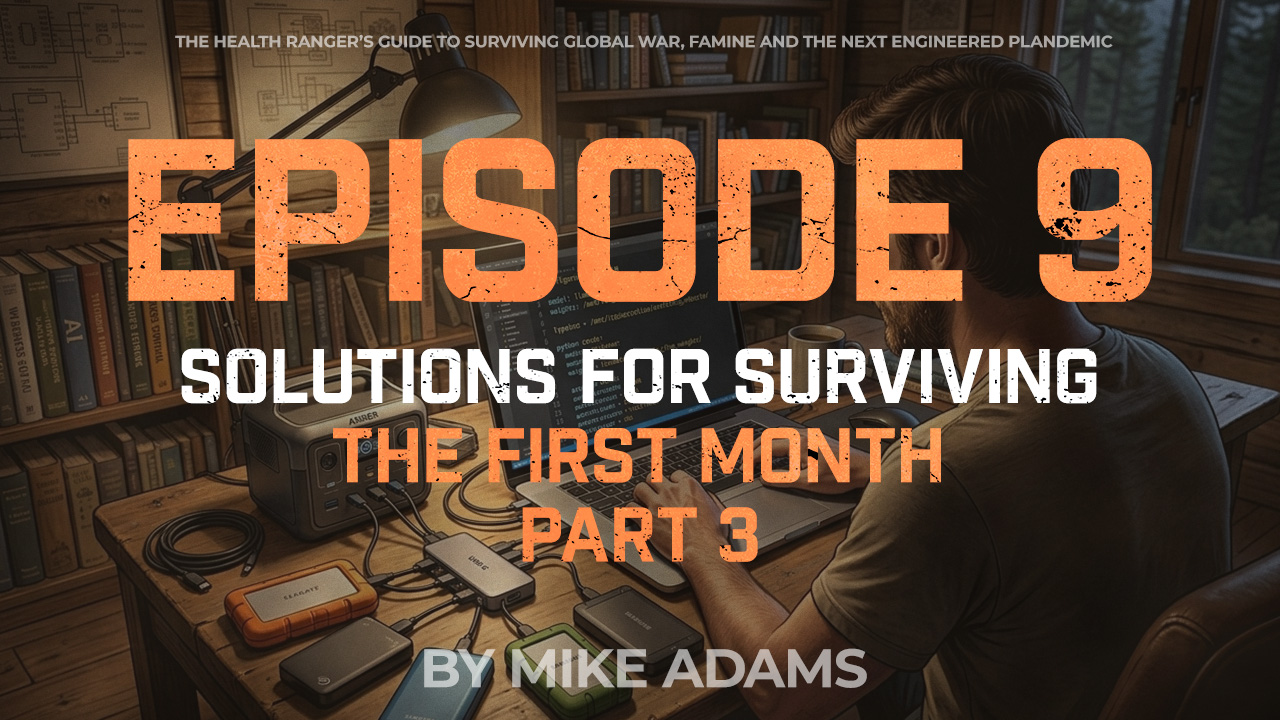
November 22 - Episode 9: Solutions for Surviving — The First Month — Part 3
Prepare your home, essential knowledge, and local connections for an extended disruption. This episode explores how to keep your living space functional without normal utilities, build an offline reference library, and develop trusted relationships within your community. The focus is on combining practical household preparations with information and cooperation you can rely on when everyday services are unavailable.
- Prepare your home for utility interruptions. Identify essential living areas, review backup heating and insulation, and locate water shutoffs to help protect your household and property.
- Include safety in cold-weather planning. Consider carbon monoxide and fire risks, along with the needs of household members during a prolonged loss of heat.
- Build an accessible offline knowledge library. Save essential references, maintain backup copies, and organize files so you can find useful information without internet access.
- Explore local AI and its resource requirements. Consider hardware, electricity, and search capabilities when planning tools that can operate independently of cloud services.
- Strengthen trusted community connections. Identify local skills and resources, build relationships through everyday cooperation, and establish clear expectations for mutual aid and trade.
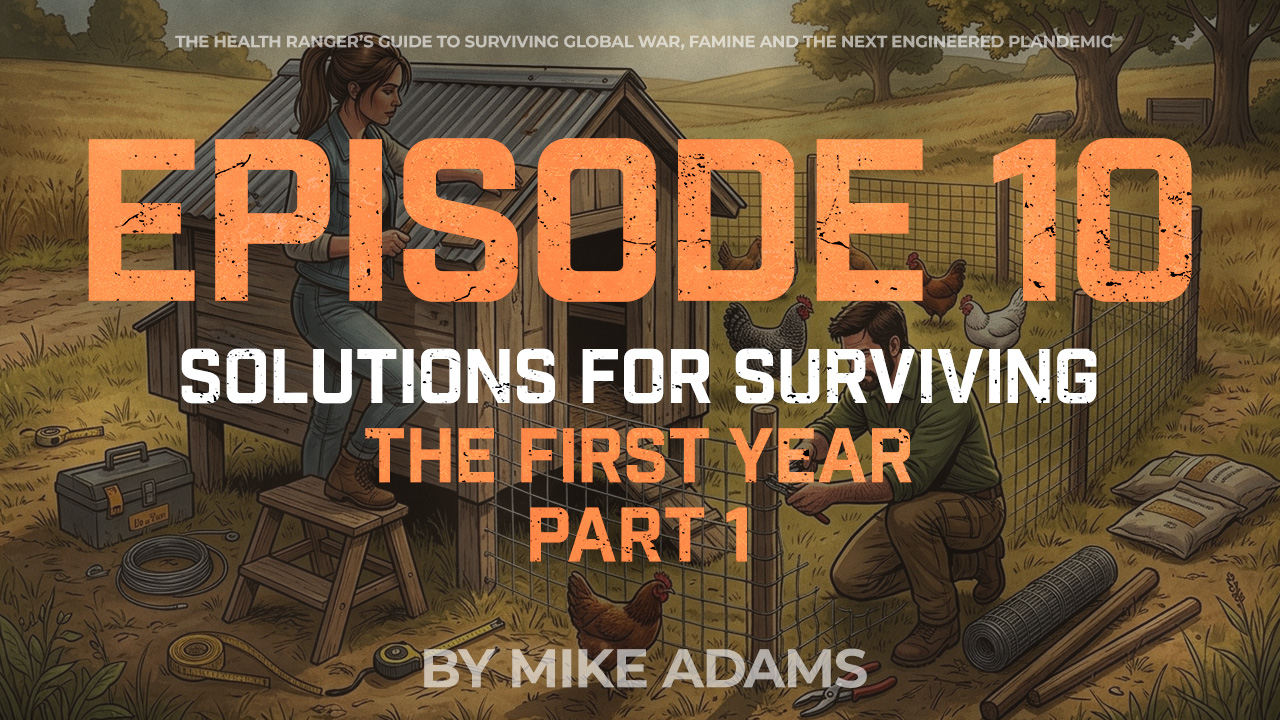
November 23 - Episode 10: Solutions for Surviving — The First Year — Part 1
Move beyond short-term reserves and explore the systems, skills, and resources that support longer-term self-reliance. This episode examines expanded food production, financial resilience, and household medical preparedness. From perennial crops and seed saving to trade networks and continuity of care, the focus is on building capabilities that require planning, practice, and ongoing maintenance.
- Expand from gardening to sustained food production. Explore larger growing areas, perennial crops, small livestock, and aquaponics while comparing potential output with household food needs.
- Build continuity through seed saving. Consider crop selection, pollination, seed storage, and sharing as parts of a longer-term growing plan.
- Explore financial resilience beyond stored cash. Examine productive resources, trade goods, practical income skills, and local exchange networks as elements of preparedness.
- Plan for ongoing health and care needs. Review prescription continuity, chronic conditions, dental needs, childbirth planning, and support for children and older adults.
- Develop skills alongside supplies. Recognize the importance of qualified training, safe practices, and access to professional help when planning for medical emergencies and other specialized needs.
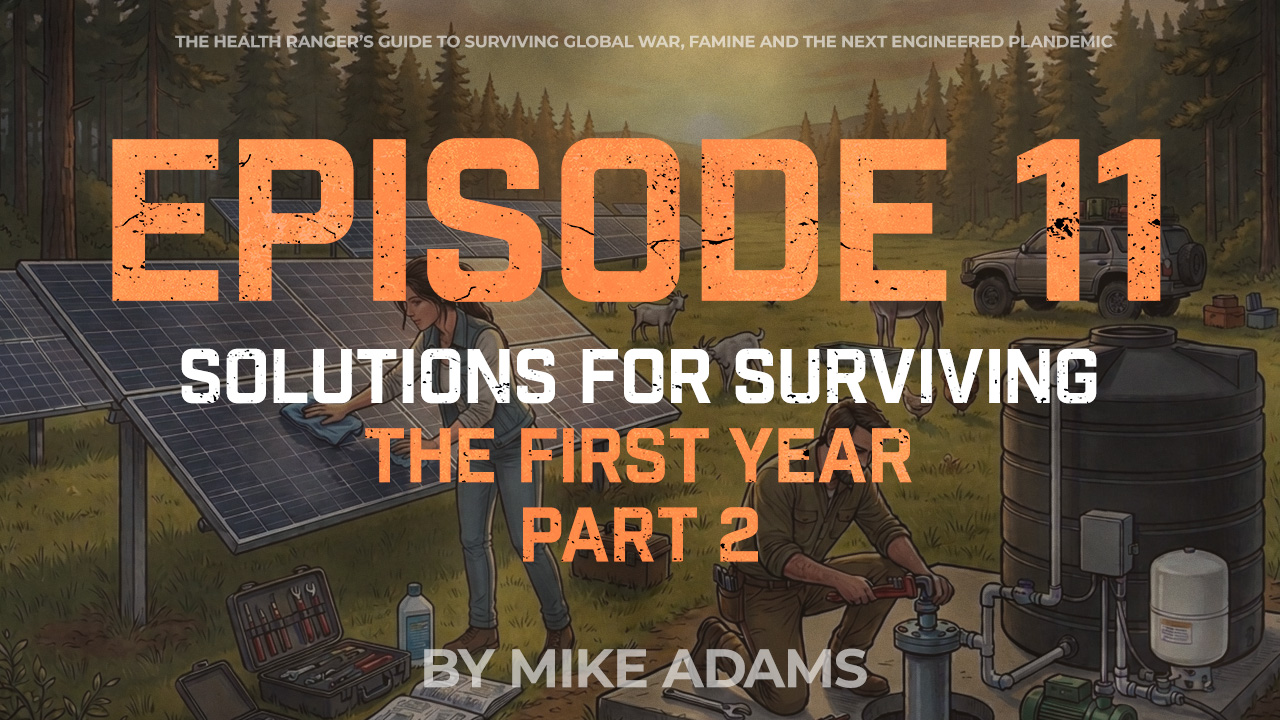
November 24 - Episode 11: Solutions for Surviving — The First Year — Part 2
Explore the systems that support longer-term access to electricity, water, and reliable communications. This episode examines household solar and battery planning, backup generators, wells, rainwater harvesting, and layered communication options. The focus is on matching infrastructure to actual household needs, maintaining essential equipment, and evaluating information before making decisions during a disruption.
- Plan power around household demand. Assess electricity use and explore how solar panels, battery storage, and a backup generator can work together to support essential needs.
- Build maintenance into your preparations. Identify service requirements, spare parts, manuals, and repair skills needed to keep critical equipment functioning.
- Develop a longer-term water system. Consider wells, rainwater collection, storage, and treatment alongside your household's water budget.
- Create multiple communication options. Explore satellite devices, radios, and local networks to reduce dependence on a single communication service.
- Verify information and protect sensitive details. Cross-check reports, track their sources, and handle private household plans carefully when sharing information.
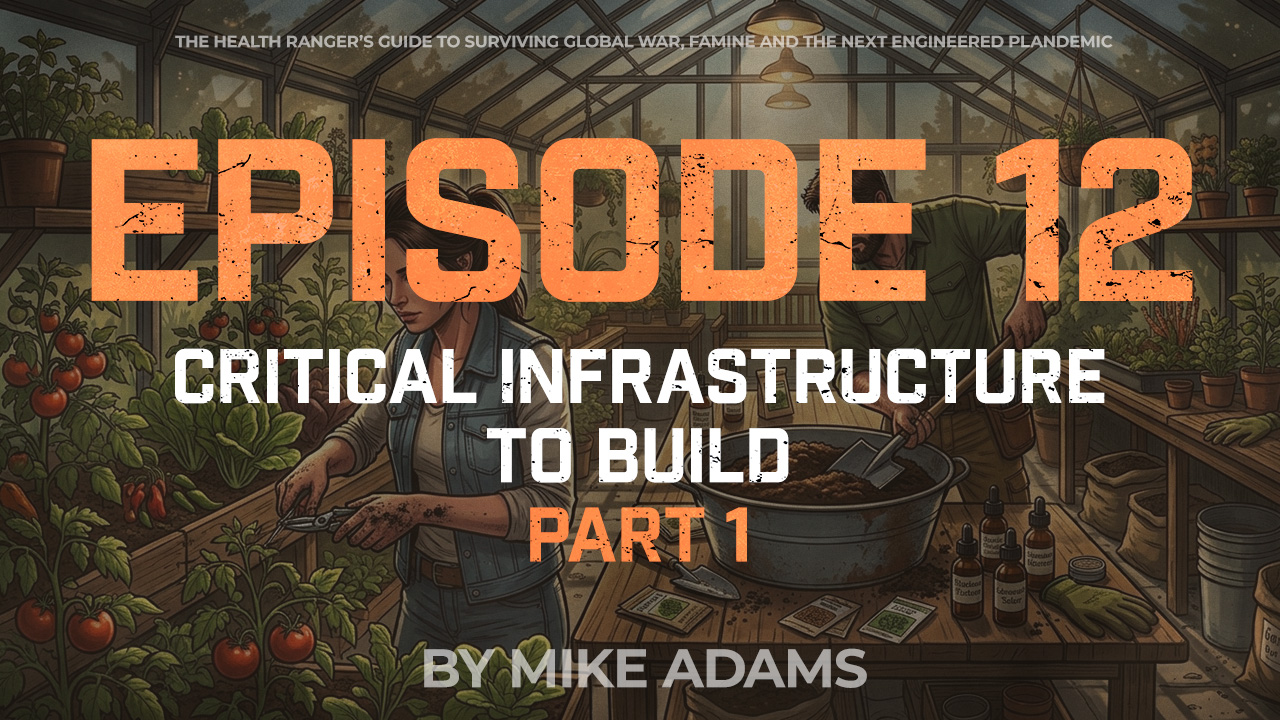
November 25 - Episode 12: What to Build and What to Buy — Critical Infrastructure to Build — Part 1
Explore four foundations of a more self-reliant property: solar power, water infrastructure, productive soil, and offline knowledge. This episode examines how these systems can work together to support essential household needs, from powering equipment and irrigating crops to building soil fertility and accessing information without the internet. The focus is on practical planning, maintenance, and backups that reduce dependence on any single system.
- Understand the building blocks of solar power. Explore panels, charge controllers, batteries, and inverters, along with load management, maintenance, and independent backup systems.
- Plan how to collect, store, and move water. Consider rainwater harvesting, storage tanks, gravity-fed irrigation, pumps, and treatment options suited to your property.
- Build healthier, more productive soil. Examine composting, mulching, cover crops, perennial planting, and soil testing as foundations for longer-term food production.
- Create an offline knowledge system. Explore local computing, AI tools, and organized reference libraries, with attention to hardware and power requirements.
- Design for continuity when something fails. Identify spare parts, verify data backups, and consider ways to keep essential power and information available during disruptions.
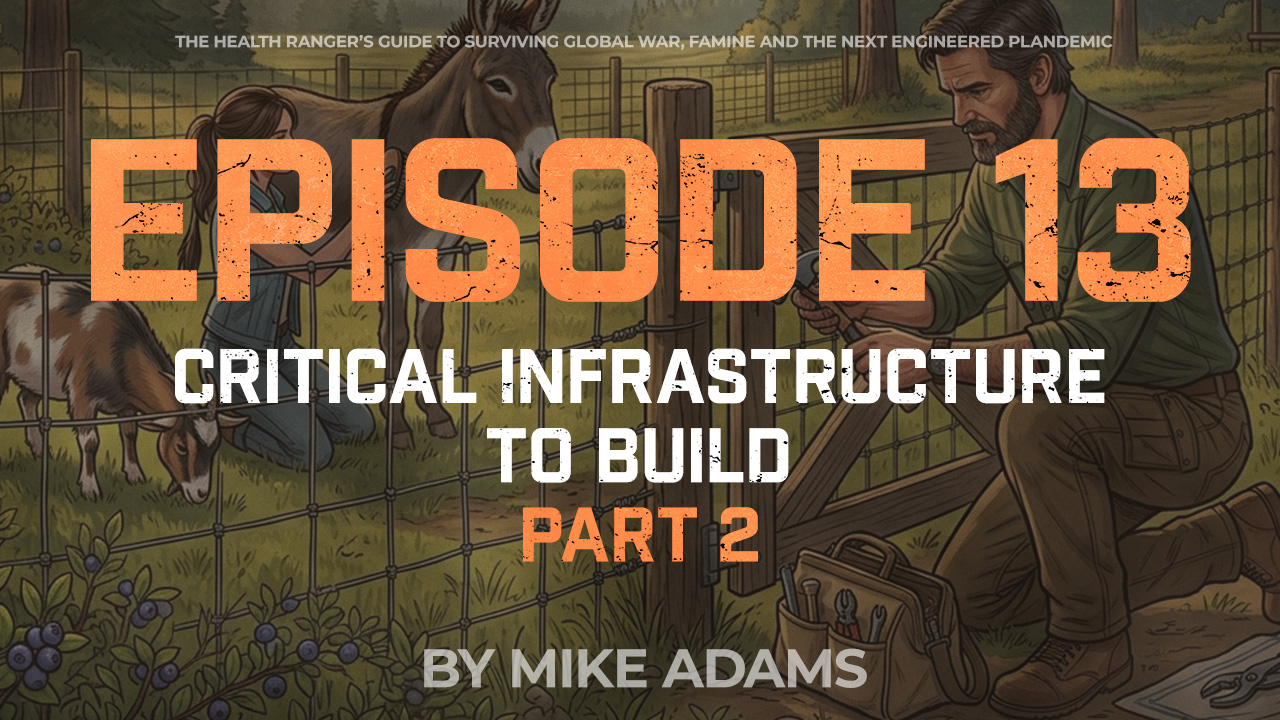
November 26 - Episode 13: What to Build and What to Buy — Critical Infrastructure to Build — Part 2
Strengthen your property's resilience through wildlife habitat, practical repair skills, household security, and sanitation planning. This episode explores how to support local wildlife, maintain essential equipment, improve property visibility and access control, and prepare for interruptions to water and sewer services. The focus is on building useful capabilities and maintaining systems that support a safer, more functional household.
- Support wildlife through thoughtful habitat planning. Explore how cover, water, forage plants, and nesting areas contribute to local wildlife populations and responsible land management.
- Build repair skills and organize essential tools. Identify training, spare parts, and supplies for maintaining vehicles, equipment, plumbing, electrical systems, and clothing.
- Improve property security through design. Consider fencing, gates, clear sightlines, alarms, and lighting as parts of a coordinated household safety plan.
- Prepare for sanitation without normal utilities. Review backup toilet options, waste containment, and disposal needs before water or sewer services are interrupted.
- Make hygiene and pest prevention part of your plan. Establish handwashing facilities, maintain soap supplies, and manage waste to help protect food, water, and household health.
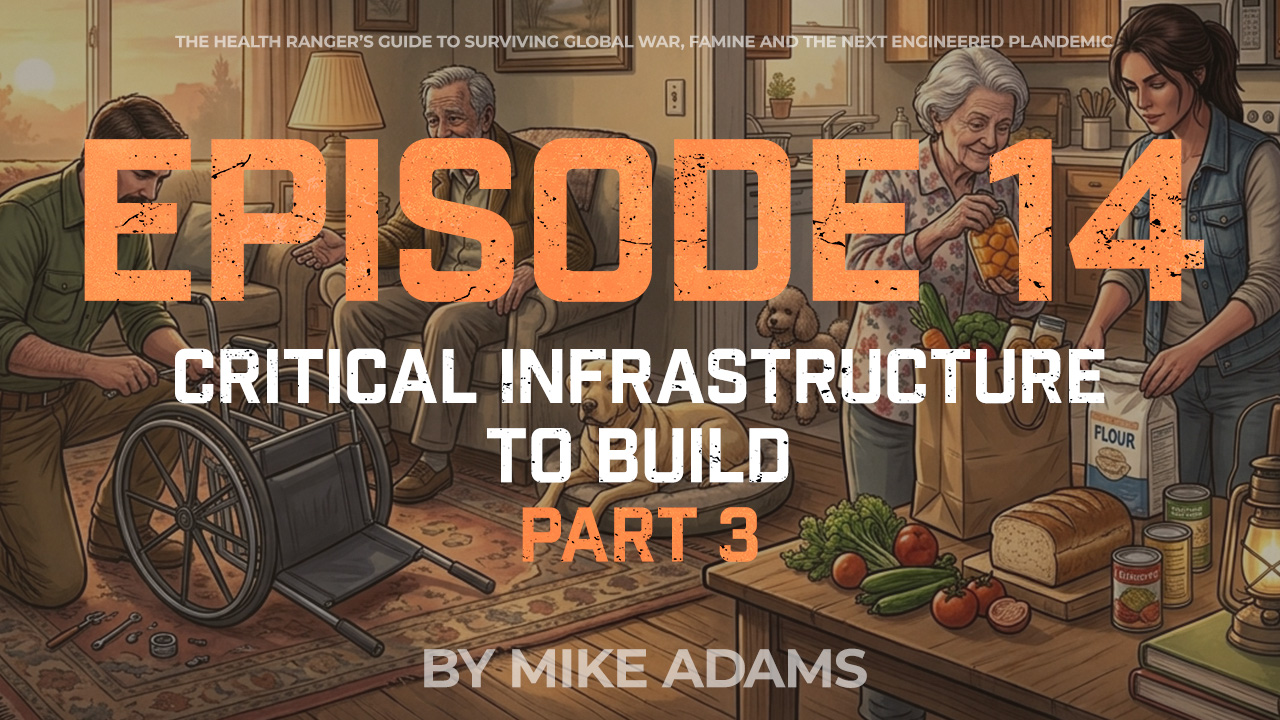
November 27 - Episode 14: What to Build and What to Buy — Critical Infrastructure to Build — Part 3
Build preparedness around the health, care, and daily responsibilities of your household. This episode explores dental and medical emergency planning, mental resilience during prolonged stress, support for elderly family members and people with disabilities, and the foundations of responsible livestock care. The focus is on anticipating needs, establishing dependable routines, and preparing backup support before essential services are interrupted.
- Prepare for dental and medical emergencies. Review essential supplies, pediatric and childbirth planning, and arrangements for accessing qualified care when normal services are disrupted.
- Strengthen resilience through daily routines. Explore how sleep, physical activity, shared responsibilities, and community connections can support morale and decision-making during prolonged stress.
- Plan for elderly family members and people with disabilities. Account for medication continuity, mobility, accessible evacuation, and backup power for essential medical devices.
- Establish backup caregiving support. Document daily care needs, schedules, and contacts, and prepare another trusted person to help maintain continuity of care.
- Build livestock systems before acquiring animals. Consider species selection, feed, water, shelter, veterinary support, and manure management as connected responsibilities.
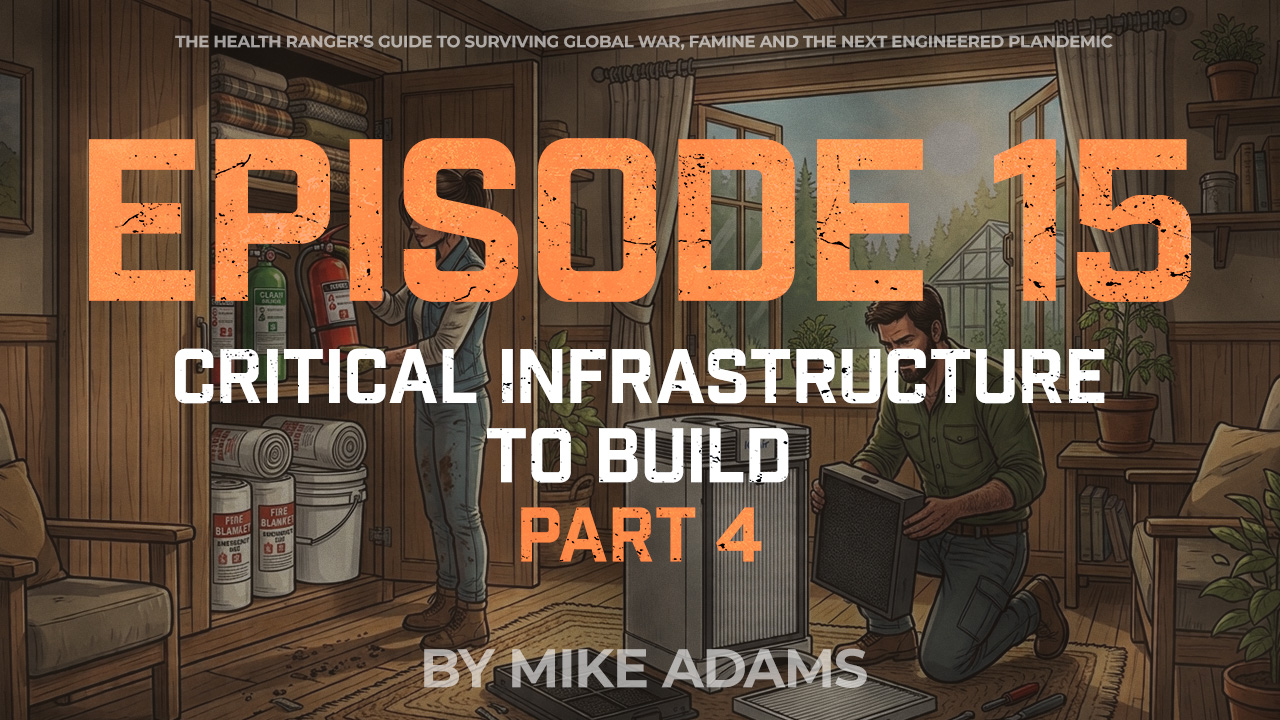
November 28 - Episode 15: What to Build and What to Buy — Critical Infrastructure to Build — Part 4
Protect your household from threats that can undermine even a well-stocked preparedness plan. This episode explores pest prevention, air quality, fire preparedness, and the decision to evacuate or shelter in place. The focus is on safeguarding essential supplies, preparing your home for changing conditions, and establishing clear family plans before an emergency.
- Protect food reserves from insects and rodents. Explore secure storage, routine inspections, pest exclusion, and responsible use of control products.
- Plan for smoke, dust, and poor air quality. Consider respiratory protection, a designated clean-air room, filtration, and backup power for essential equipment.
- Strengthen household fire preparedness. Review extinguishers, heating and chimney maintenance, vegetation management, and the limits of attempting to control a fire.
- Decide when to evacuate or shelter in place. Establish hazard-specific triggers and family agreements, taking official emergency instructions into account.
- Prepare and practice your departure plan. Identify primary and alternate routes, arrange a destination, organize emergency bags, and rehearse exits and meeting points.
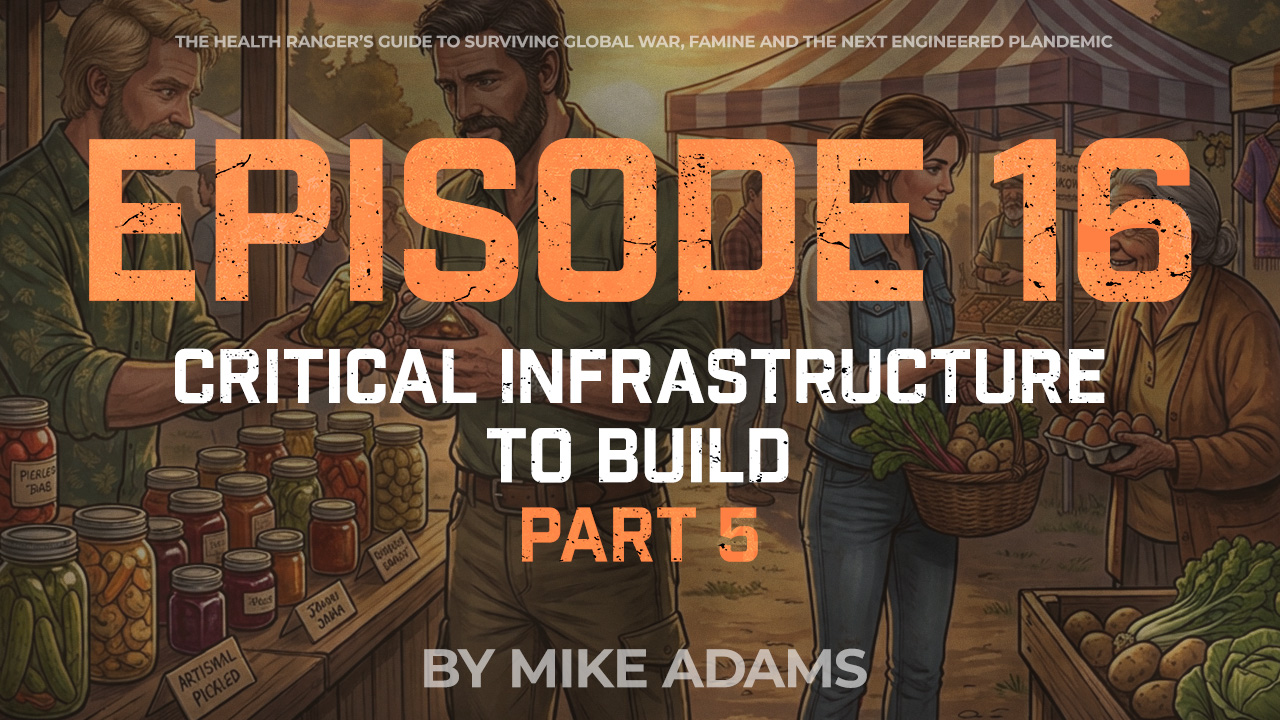
November 29 - Episode 16: What to Build and What to Buy — Critical Infrastructure to Build — Part 5
Bring your household infrastructure plan together by protecting essential records, preparing for local trade, and assessing water treatment and energy needs. This episode explores secure document backups, the role of useful skills and surplus goods in community recovery, and the planning required to support larger-scale water treatment. The focus is on preserving access to important information and matching essential systems to real household demand.
- Protect essential documents and records. Organize identity, property, financial, and medical information with secure physical copies and encrypted backups stored in separate locations.
- Prepare to contribute to local recovery. Identify practical skills, services, or surplus goods your household could offer through trusted trade relationships.
- Build clear and dependable trade practices. Explore agreed pricing, recordkeeping, reputation, and privacy as foundations for local exchange.
- Understand water treatment at a larger scale. Examine filtration, disinfection, treatment limitations, and testing considerations when planning for household or community needs.
- Create a realistic household energy budget. Audit electricity use, prioritize essential loads, account for seasonal conditions, and reduce demand before sizing generation and storage.
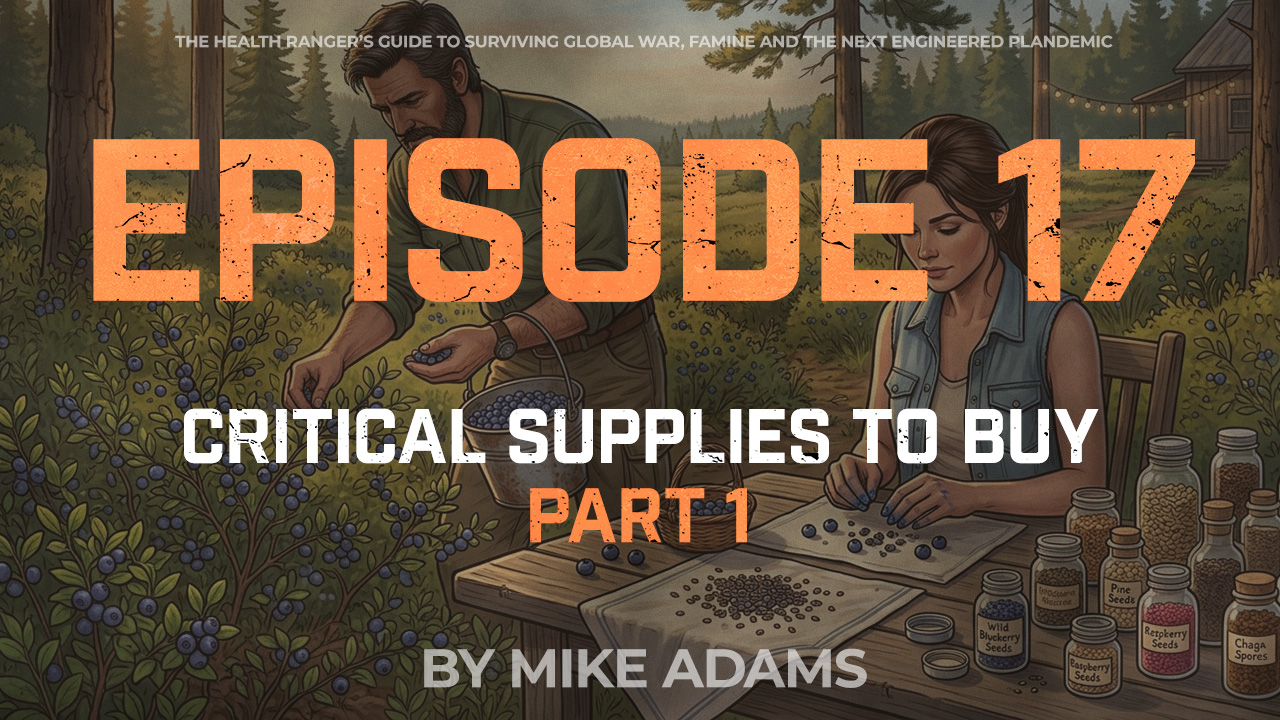
November 30 - Episode 17: What to Build and What to Buy — Critical Supplies to Buy — Part 1
Build a purposeful supply plan around your household's food, water, nutrition, and safety needs. This episode explores night vision and thermal equipment, water-treatment supplies, nutritional reserves, heirloom seeds, storable foods, and firearm-related equipment. The focus is on understanding each item's capabilities and limitations, choosing supplies with a clear purpose, and planning for storage, maintenance, and training.
- Understand night vision and thermal equipment. Explore their different capabilities, limitations, battery requirements, and the practice needed to use them effectively.
- Plan for water-treatment supplies. Consider product-specific handling, storage, shelf life, and manufacturer instructions when selecting and maintaining disinfectants.
- Build food reserves around calories and nutritional variety. Assess household needs, compare storage formats, and consider how fresh foods and appropriate nutritional supplies fit into your plan.
- Invest in seeds for future food production. Explore open-pollinated varieties, crop selection, seed storage, germination testing, and seed-saving practices.
- Pair security equipment with responsible ownership. Consider training, secure storage, maintenance, and applicable legal requirements when evaluating firearms, ammunition, and related accessories.
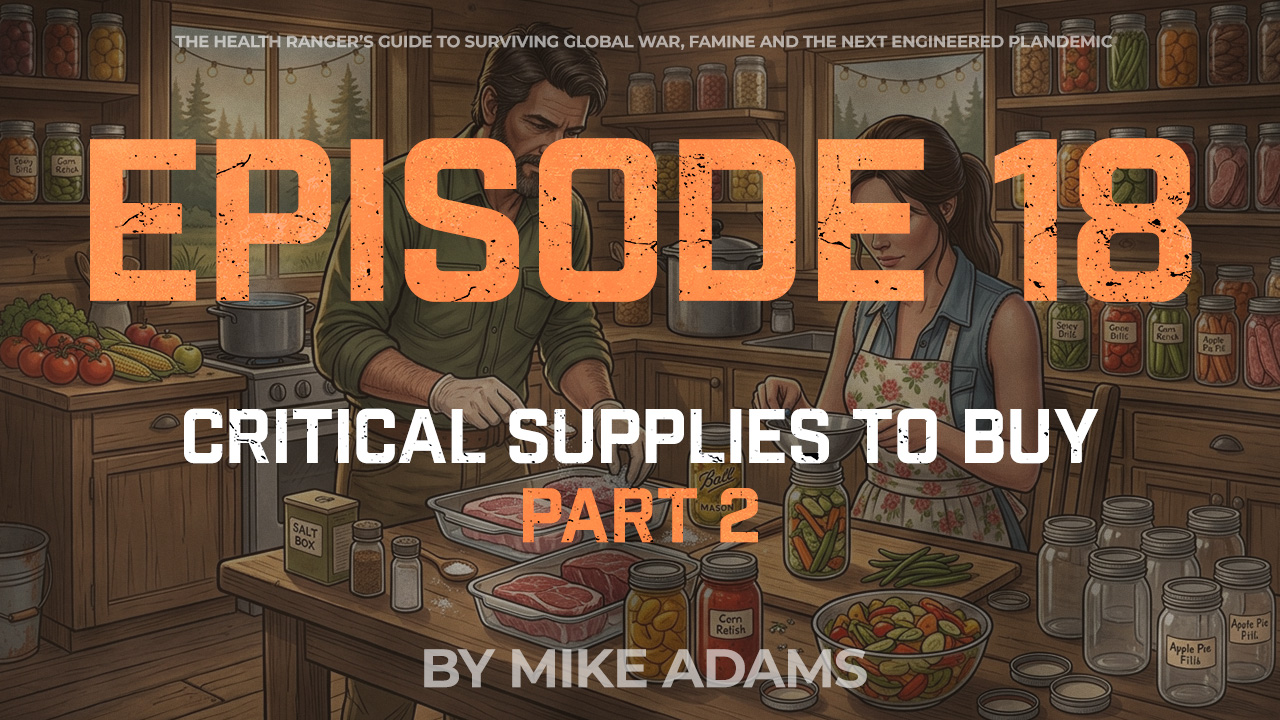
December 01 - Episode 18: What to Build and What to Buy — Critical Supplies to Buy — Part 2
Round out your household supply plan with lighting, food preservation equipment, salt, and other essential consumables. This episode explores how to select and maintain practical supplies for power outages, pantry building, sanitation, and everyday repairs. The focus is on filling overlooked gaps, choosing compatible equipment, and keeping supplies organized and ready for use.
- Build dependable emergency lighting. Explore headlamps, handheld lights, rechargeable batteries, and backup options, with attention to charging compatibility and fire safety.
- Choose food preservation equipment with safety in mind. Review pressure canners, suitable jars and lids, and the importance of using tested methods appropriate to each food.
- Consider salt's place in your supply plan. Explore its roles in cooking, food preservation, and potential trade, along with storage and moisture control.
- Fill gaps in essential household supplies. Review water containers, replacement filters, hygiene materials, medical and dental consumables, respiratory protection, and fire extinguishers.
- Keep supplies usable through maintenance and rotation. Check expiration dates, inspect equipment, and organize repair materials and replacements so they are accessible when needed.
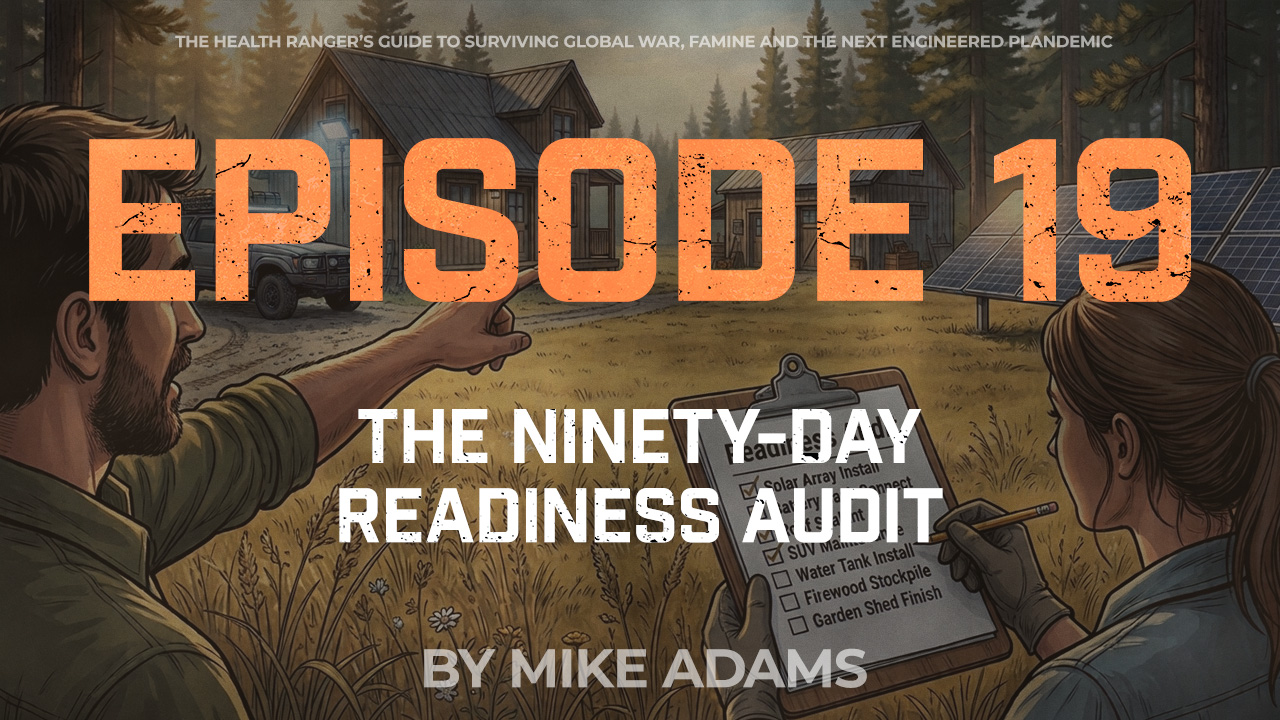
December 02 - Episode 19: What to Build and What to Buy — The Ninety-Day Readiness Audit
Turn the course into a practical checklist for assessing your household's preparedness. This final episode brings together food, water, power, medical supplies, security, financial resources, knowledge, community connections, and essential documents in a structured ninety-day review. The focus is on comparing your resources with actual needs, identifying gaps and single points of failure, and setting clear priorities for the next quarter.
- Measure essential resources against household needs. Review water availability, food calories, and electricity generation and storage to assess whether your preparations cover critical demand.
- Check supplies, skills, and safety plans. Inventory medical resources, inspect locks and lighting, and practice household emergency procedures to identify areas needing attention.
- Review financial access and document protection. Assess your financial resources and trade goods, check important records and backups, and identify dependencies that could leave you vulnerable.
- Evaluate knowledge and community support. Check offline references, local AI tools, and paper manuals, then review trusted contacts, available skills, and mutual-aid agreements.
- Create a quarterly improvement plan. Document gaps, establish backup options for essential needs, and set priorities before repeating the audit every ninety days.
Catch Up and Revisit Key Lessons
Section Replays: Return to the course by section, with a different collection of lessons scheduled each day.
- December 03 - The Growing Threat of War, Famine and Plandemics
- December 04 - Solutions for Surviving — The First Week
- December 05 - Solutions for Surviving — The First Month
- December 06 - Solutions for Surviving — The First Year
- December 07 - What to Build and What to Buy — Critical Infrastructure to Build
- December 08 - What to Build and What to Buy — Critical Supplies to Buy
- December 09 - The Ninety-Day Readiness Audit
Full-Course Replay: December 10–14
Who Is This Course For?
This course is for people who want to take a more active role in preparing their households for uncertainty, including:
- Individuals and families beginning an emergency preparedness plan.
- City and suburban residents considering how to manage interruptions to everyday services.
- Gardeners and homesteaders working toward greater self-reliance.
- Experienced preparedness learners reviewing gaps in their supplies, systems, and skills.
- People who want stronger local connections for cooperation and mutual support.
Your next step will depend on your space, budget, location, and household needs. The course gives you a range of preparedness topics to consider as you build a plan that fits your circumstances.
About Mike Adams
Mike Adams, known as "The Health Ranger," is the founding editor of NaturalNews.com and the author of Food Forensics. His work covers topics including food, nutrition, self-reliance, and preparedness.
In this course, he brings together his perspectives on global disruptions with lessons on household readiness, essential resources, and longer-term resilience.
Start With Knowledge. Follow With Action.
A stronger household plan begins with understanding your needs—and taking the next practical step.
Join Mike Adams for The Health Ranger's Guide to Surviving Global War, Famine and the Next Engineered Plandemic and explore how to prepare for disruptions, build useful capabilities, and strengthen your family's readiness over time.
Stream free on BrightU beginning November 14, 2026. Replays continue through December 14.
This site is part of Brighteon Media Inc. © All Rights Reserved. All content posted on this site is commentary or opinion and is protected under Free Speech. Brighteon is not responsible for content uploaded by contributing content providers. Brighteon Media Inc. assumes no responsibility for the use or misuse of this material. Your use of this website indicates your agreement to our privacy policy and terms and conditions. The views and opinions expressed by hosts and guests on BrightU.com do not necessarily reflect those of Brighteon Media Inc., its founders or owners. All trademarks, registered trademarks and servicemarks mentioned on this site are the property of their respective owners.
All times listed EST. Shows and schedules are subject to change at programmer discretion.


All times listed EST. Schedules are subject to change at programmer discretion.
© 2020-2022 All Rights Reserved. All content posted on this site is commentary or opinion and is protected under Free Speech. Brighteon is not responsible for comments and content uploaded by our users.